Direct Economic Impact of Wheat, Durum, Barley, and Oats






Canadian cereals continue to experience high demand from customers worldwide.
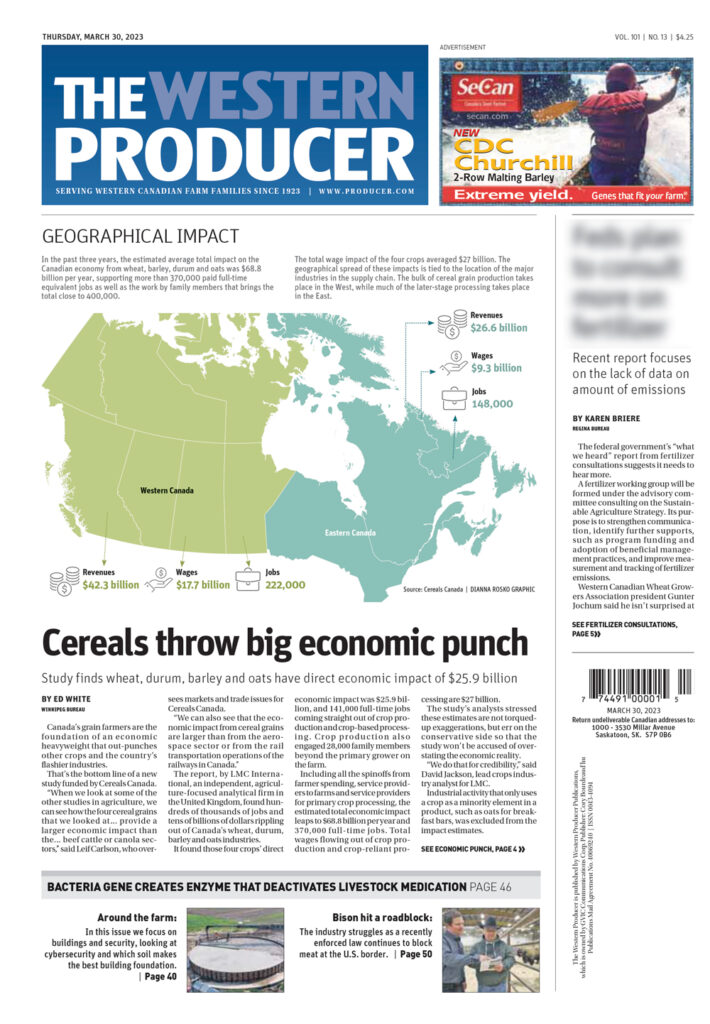
Returning to normal production levels in the past year, wheat, barley, and oats were successfully exported to over 88 countries in 2022 and used for domestic needs, contributing to an impressive $68.8 billion economic boost for the Canadian economy, according to economic impact research performed on our behalf by LMC International.
Agriculture is important to supporting food security, nutrition, and sustainability efforts
and with wheat, barley and oats being the most grown grains in Canada, these cereal
grains play a large role. While each year has its challenges, it also has its successes.
In 2022, Cereals Canada celebrated 50 years of providing technical services to both domestic and international customers. Centered around fostering strong relationships, delivering excellence in customer service, and creating opportunities for Canadian wheat, our core values and corporate pillars have served as the foundation of our organization’s success. These pillars will continue to guide the organization into the next 50 years, ensuring our continued growth and impact.
Collaboration and connections have been pivotal to our success in the past year.
We know the importance of working together, building relationships, and forging
partnerships to advance advocacy efforts, programs, and research. We have actively collaborated with Agriculture and Agri-Food Canada (AAFC), engaging with over 70
industry partners on the National Wheat Priorities. We worked collaboratively with AAFC’s sustainability programs and advocated for the establishment of a Canadian Indo-Pacific Agriculture and Agri-Food Office. We continue to collaborate with other value chains, industry, and partners to strengthen our reach.
Our facilities are one of a kind in Canada with key technical experts being able to
provide unbiased, and accurate information to existing customers and new country
requests. In the past two years Cereals Canada completed 81 programs, webinars,
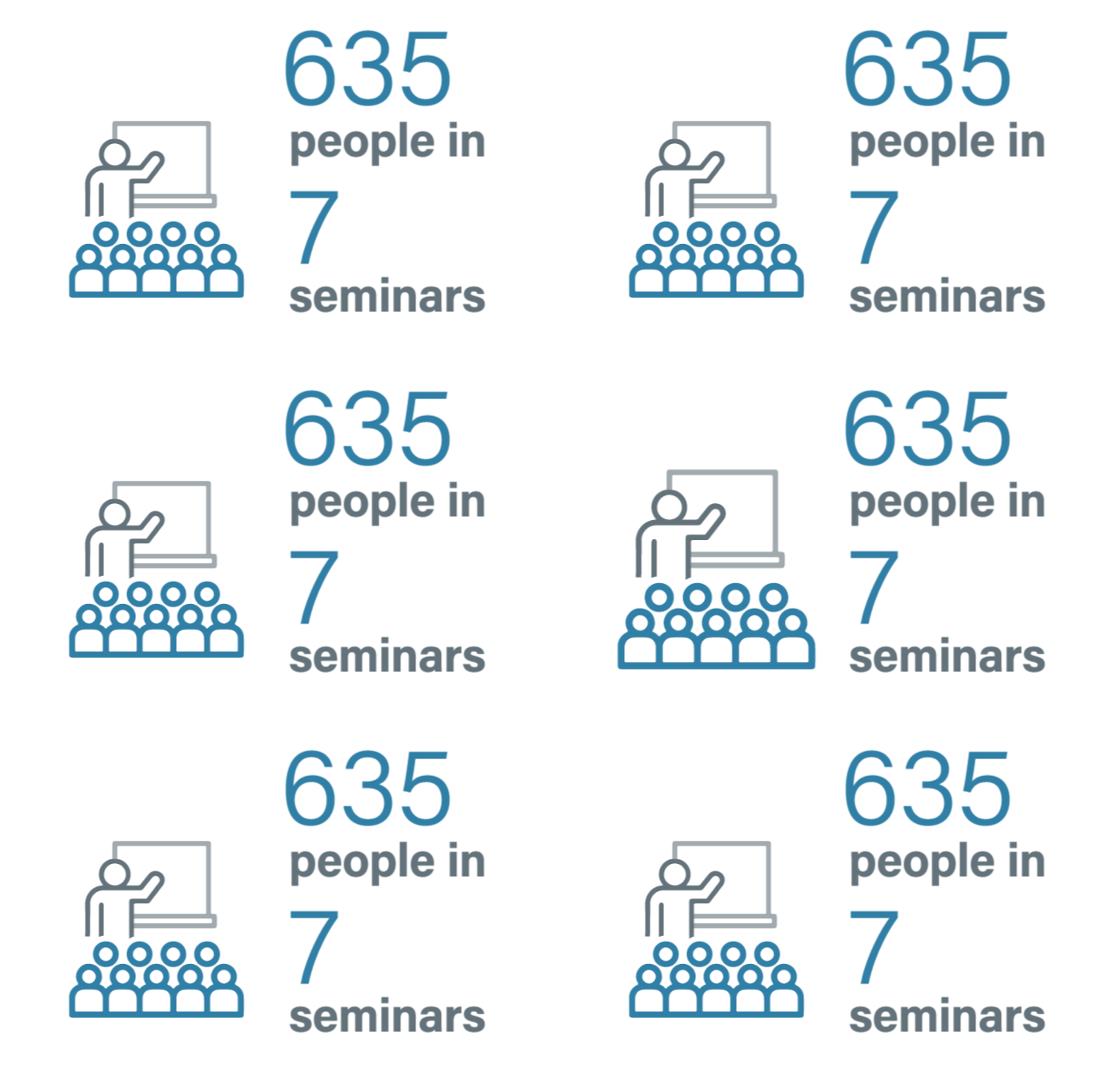
missions and technical exchanges involving 3089 participants from 69 countries.
At Cereals Canada, we are committed to fostering collaboration, innovation, and sustainability on behalf of our members. We recognize the challenges, but I am confident by staying united, leveraging our expertise, advocating for policies that support the growth and sustainability of the grain industry, and fostering strong partnerships, both domestically and internationally, we will continue to thrive.
Jennifer Marchand
Chair, Cereals Canada
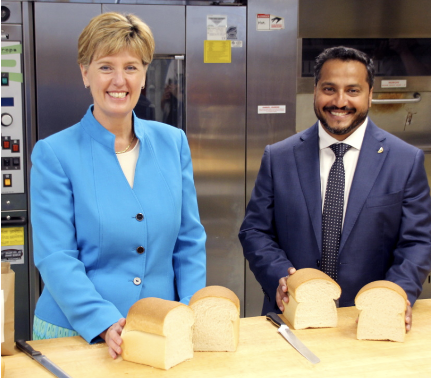
The Honourable Marie-Claude Bibeau, Minister of Agriculture and Agri-Food in Canada visits Cereals Canada during its 50th anniversary celebrations in July 2022.

Ashok Sarkar, legendary miller and long-time Cereals Canada employee, was inducted into the Canadian Agriculture Hall of Fame in November.
On behalf of Cereals Canada, LMC International undertook a study to assess the impact of domestically grown common wheat, durum wheat, barley, and oats on the Canadian economy.
From 2018 to 2020:
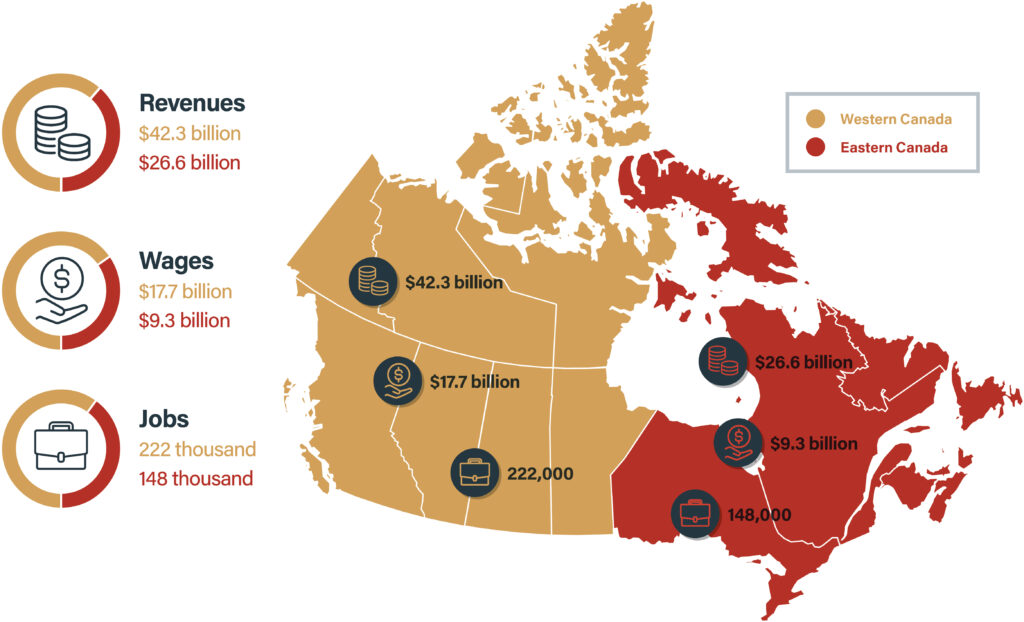
In addition to the direct impacts, LMC calculated the revenues, jobs, and wages generated both through take-home spending by those whose jobs are tied to the four cereal crops, and through outsourced work undertaken by industries that support the cereal supply chain.





Canadian cereals grains are exported to over 88 countries to help meet food security. Indonesia, one of the world’s largest markets for non-durum wheat, imported 11.4 million tonnes of non-durum wheat (from all suppliers) in 2021. Currently, Canada supplies 1.65 million tonnes to Indonesia, valued at $621 million. There’s room to grow for Canadian grains!
On November 18, 2022, the Government of Canada announced the Canadian Indo-Pacific Agriculture and Agri-Food Office. The office represents a strategic step in securing agriculture’s export growth, diversification, and competitiveness in the Indo-Pacific region, allowing Canada to continue to positively impact global food security in this growing marketplace.
In October, Cereals Canada announced the launch of the 2023–2028 National Wheat Research Priorities (NWRP) to guide research in the Canadian wheat industry for the next five years. Over 70 researchers, industry and value chain members contributed to the Priorities’ six themes.
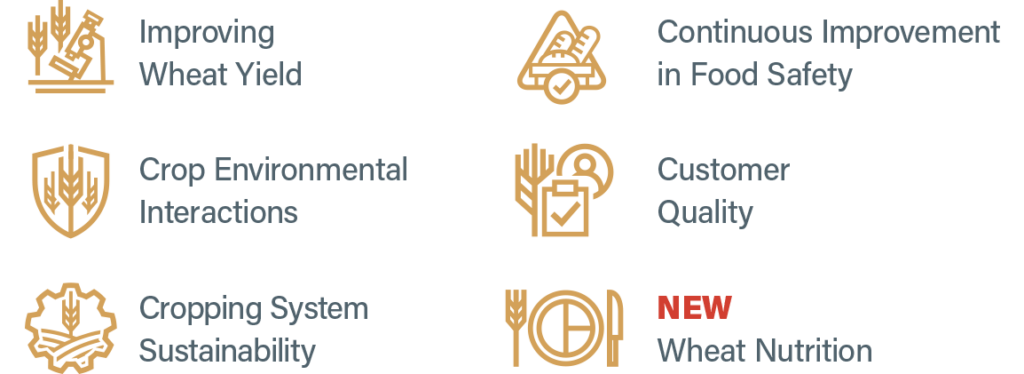
Cereals Canada provides insight to the Prairie Grain Development Committee (PGDC) on what global customers of Canadian cereals require in terms of quality. The insight supplied supports researchers and is aligned with the National Wheat Research Priorities.
“Having wheat nutrition included (in the priorities) puts a focus on the importance of wheat—the original plant-based protein—in one’s diet.”

Protecting export markets is a top concern for the Canadian cereals value chain. Relying on a science-based regulatory system that enables innovation, along with harmonization of regulations among global trading partners to ensure predictable trade, is key to the success of the cereals sector.
Canada depends on its reputation as a reliable supplier of safe and high-quality grain. All food is regulated in Canada and our science-based regulatory programs help contribute to Canada’s strong international reputation. Maintaining transparency upholds public trust and helps to ensure market access success.
Cereals Canada has led in-depth engagement with members, government and in-market stakeholders to advance the policy environment for Canadian exports. This includes advocacy for trade agreement negotiations with the United Kingdom, Association of Southeast Asian Nations (ASEAN), Indonesia and India.

Regulators and Global Customers Look to Canada’s Cereals Value Chain to Help Inform Policies and Claims Regarding Sustainable Agriculture
Throughout the past year Cereals Canada has worked to advance the sustainability priorities of the Canadian cereals value chain across a number of forums. These have included membership on the Canadian Roundtable for Sustainable Crops’ Steering and Communications Committees, participation at the federal government’s Sustainable Agriculture Strategy’s Advisory Committee and associated working groups, and participation at the National Index on Agri-Food Performance’s communications committee.
The Global Regulatory Landscape Remains Complex
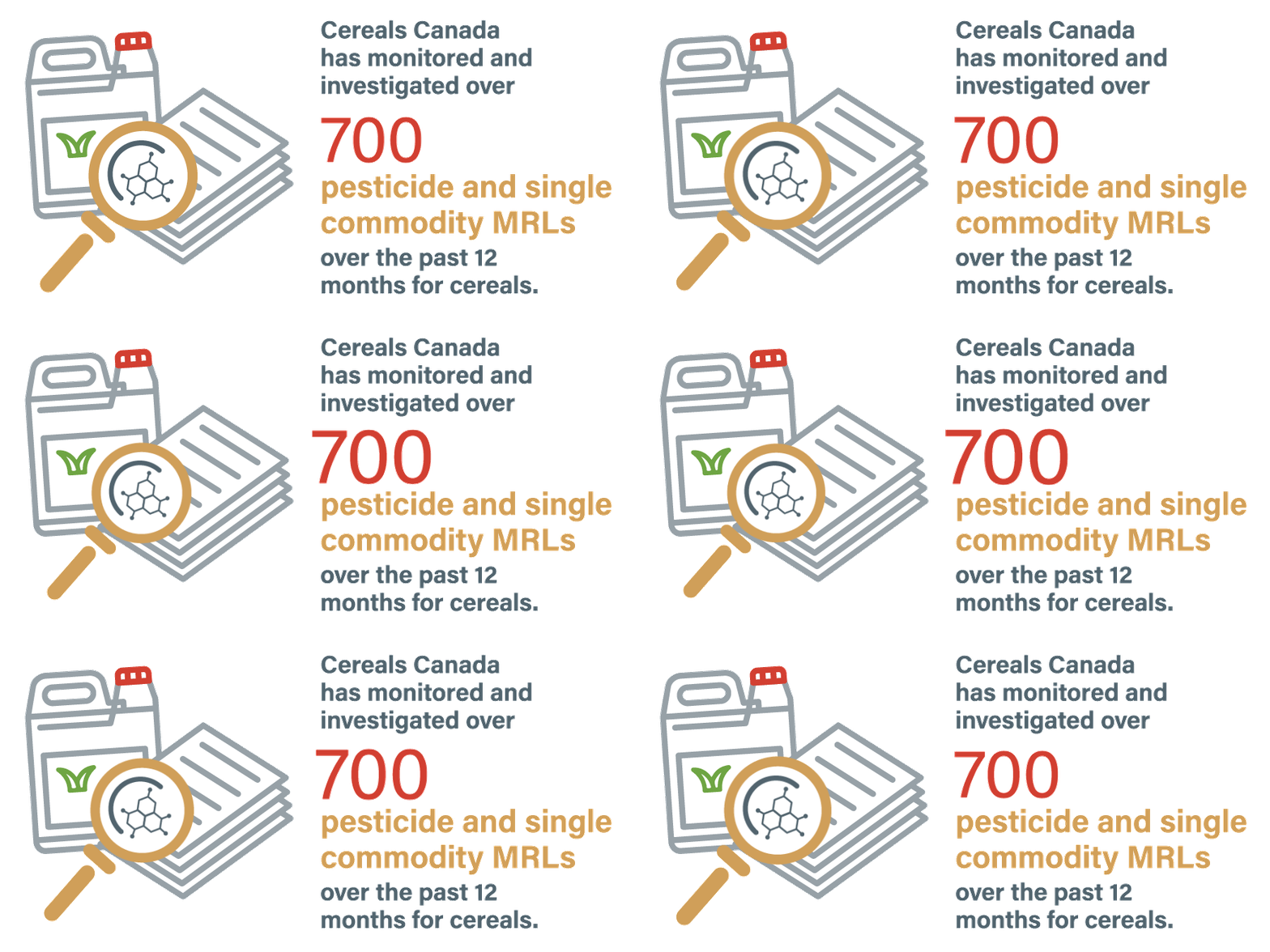
Working with government, exporters, and growers to ensure that crops are market ready and meet Maximum Residue Limits (MRLs) is critical in keeping markets open. The Cereals Canada MRL Assessment Committee met in December to proactively evaluate the MRL-related trade risk of commercialization of chemistry/crop use patterns with new or amended registrations.
MRL establishments, revocations, and changes are monitored through the World Trade Organization, Market Access Secretariat, the United States Department of Agriculture reports, and other notifications. Cereals Canada also monitors European Union Early Alerts, products from the MRL Assessment Committee, and activities flagged in our monthly exporter reports.
Keep it Clean is a joint initiative that provides growers and crop advisers with resources for growing market-ready crops. This includes providing timely updates on potential market risks and resources for on-farm practices to ensure crops meet the standards of domestic and export customers.

Developed specifically for farmers, our Combine to Customer program provides a broad overview of grain industry operations and provides valuable insight about end-user needs and what customers of Canadian grain are asking for, as well as a forum for learning and discussing grain industry issues.

Communicating practical research to customers to one way Cereals Canada supports customers. During a webinar targeted to global customers, technical experts Karen Pitura and Rosa Boyd shared the results of a three-year research project focused on investigating the performance of Canadian Western Red Spring (CWRS) wheat varieties in standard and reduced salt pan bread baking formulations. The research provided valuable insights into the role of salt in baking and demonstrated how to achieve outstanding results while using lower-salt formulations to meet the demands of consumers and comply with government regulations.

Testing wheat from top exporting markets, and how it performs in various flour blends and end-products, provides valuable insight into changes in competitor wheat quality year-over-year and how competitor wheat is used in various markets. This information is important as it helps Cereals Canada staff fully understand the quality requirements of global customers and allows us to transfer information to the value chain to ensure that Canadian wheat quality is maintained or improved.

The three-year project comparing quality data of flour and semolina, produced using different blending methods and ratios, was completed. Results gathered in this project provided information on which blending methods or ratios would allow millers to produce quality products at the optimum cost, therefore maximizing their profits. These results were shared with participants in 20 customer-focused training programs; one company webinar informed millers and customers on this research.

The five-year collaborative project on the “Development of Processing Strategies for Innovative Commercially-Ready Pulse Ingredients for the Canadian Food Sector” funded by Agriculture and Agri-Food Canada’s Canadian Agricultural Program AgriScience Cluster Program was completed. The project explored using the roller mill to create pulse flour ingredients, assessing pre- and post-treatments on pulse seeds and flours to modify their functionality, and incorporating pulse flours into a variety of end-products (e.g., bread, spaghetti, and extruded snacks).
The results from this project provided the pulse industry with information on a variety of pulse ingredients with different compositions and functionalities that are suited to specific applications. Food companies may be able to utilize these ingredients in more diverse ways which will increase the demand for pulse ingredients and pulses overall.

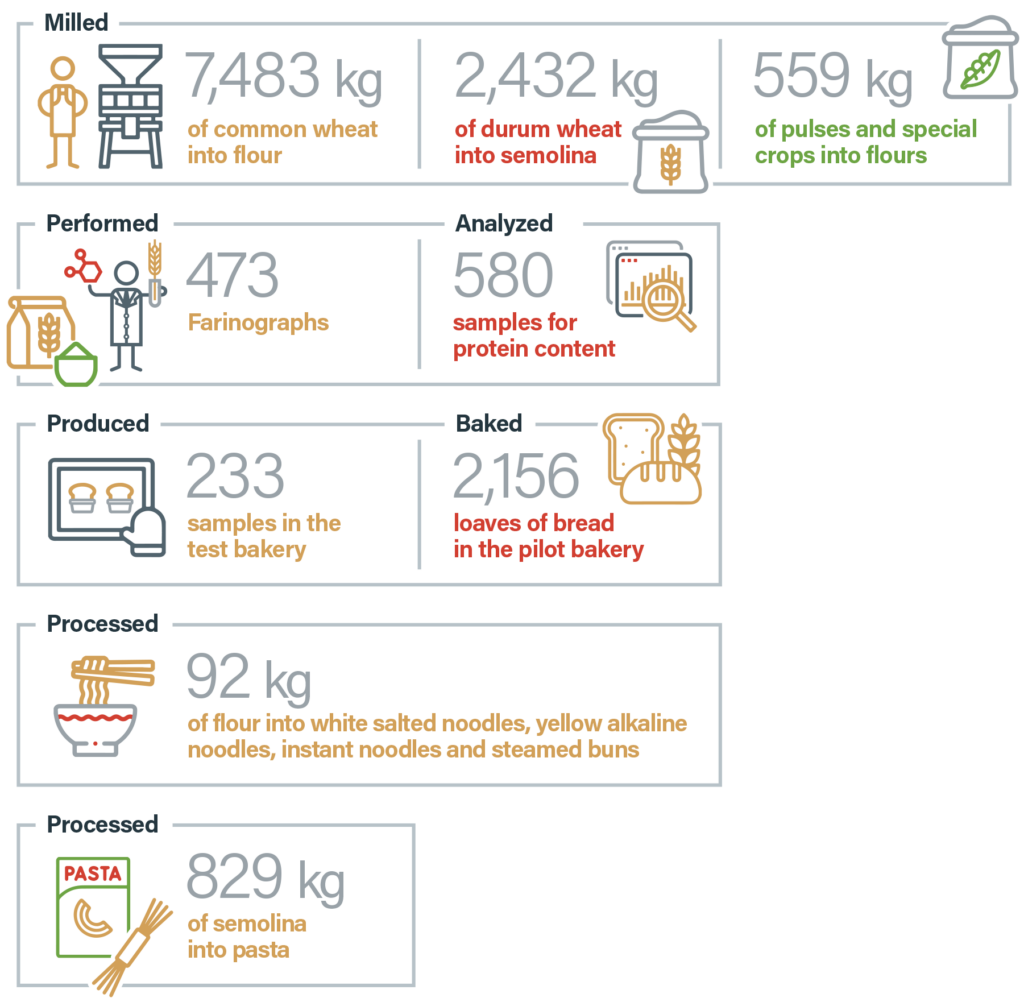
At our facilities, our technical experts:

Connecting the Canadian cereals value chain to our global customers is an integral part of the mandate of Cereals Canada. Through dedicated, targeted programming, we engage with customers to discuss cereal quality and functionality, address any market concerns, and provide updates on research and sustainability.


JAPAN - Non-Durum Wheat
Average CDN Exports (2018–2022): 1.62 million tonnes, valued at $631 million
Market Profile: A long-standing, quality conscious wheat customer, Japan imported 1.62 million tonnes of Canadian non-durum wheat on average over the last five years.
JAPAN - Barley
Average CDN Exports (2018–2022): 241 thousand tonnes, valued at $72 million
Market Profile: A regular buyer of barley, Japan imported 241,000 tonnes on average from Canada over the last five years.
JAPAN - Durum Wheat
Average CDN Exports (2018–2022): 195 thousand tonnes, valued at $86 million
Market Profile: Over the last five years, Canada was the leading supplier of durum wheat to Japan, holding an average market share of 95 percent.
CHINA - Non-Durum Wheat
Average CDN Exports (2018–2022): 2.06 million tonnes, valued at $792 million
Market Profile: China was Canada’s largest buyer of non-durum wheat over the last five years, with average imports over two million tonnes.
CHINA - Barley
Average CDN Exports (2018–2022): 2.06 million tonnes, valued at $703 million
Market Profile: China was Canada’s largest buyer of barley over the last five years, with average annual imports over 2 million tonnes.

BANGLADESH - Non-Durum Wheat
Average CDN Exports (2018–2022): 1.03 million tonnes, valued at $373 million
Market Profile: Bangladesh is one of the world's largest buyers of non-durum wheat, importing over one million tonnes on average from Canada over the last five years.

INDONESIA - Non-Durum Wheat
Average CDN Exports (2018–2022): 1.97 million tonnes, valued at $693 million
Market Profile: Indonesia, one of the world’s largest markets for non-durum wheat, imported 9.5 million tonnes of non-durum wheat (from all suppliers) in 2022. Currently, Canada supplies 1.53 million tonnes to Indonesia, valued at $791 million.

UNITED ARAB EMIRATES - Non-Durum Wheat
Average CDN Exports (2018–2022): 208,122 tonnes, valued at $ 70,896,523 million
Market Profile: Over the last five years, the United Arab Emirates was the largest buyer
of Canadian non-durum wheat within the Gulf region, importing 208,000 tonnes on average.
UNITED KINGDOM - Non-Durum Wheat
Average CDN Exports (2018–2022): 431,359 tonnes, valued at $ 174,484,630 million
Market Profile: Over the last five years, the United Kingdom was the largest buyer of Canadian non-durum wheat within Europe, importing 431,000 tonnes on average.

ITALY - Durum Wheat
Average CDN Exports (2018–2022): 865 thousand tonnes, valued at $341 million
Market Profile: Italy was Canada's largest buyer of durum wheat over the last five years, with average annual imports of 865,000 tonnes.
MOROCCO - Durum Wheat
Average CDN Exports (2018–2022): 846 thousand tonnes, valued at $353 million
Market Profile: Over the last five years, Canada was the dominant supplier of durum wheat to Morocco, holding an average market share of 93 percent.
ALGERIA - Durum Wheat
Average CDN Exports (2018–2022): 781 thousand tonnes, valued at $317 million
Market Profile: One of the world's largest buyers of durum wheat, Algeria sources on average 67 percent of its imported durum wheat from Canada.

NIGERIA - Non-Durum Wheat
Average CDN Exports (2018–2022): 665 thousand tonnes, valued at $240 million
Market Profile: Nigeria is the largest buyer of non-durum wheat in sub-Saharan Africa, importing 665,000 tonnes on average from Canada over the last five years.

PERU - Non-Durum Wheat
Average CDN Exports (2018–2022): 1.2 million tonnes, valued at $418 million
Market Profile: Over the last five years, Canada was the leading supplier of non-durum wheat to Peru, holding an average market share of 67 percent.
ECUADOR - Non-Durum Wheat
Average CDN Exports (2018–2022): 686 thousand tonnes, valued at $245 million
Market Profile: Over the last five years, Canada was the leading supplier of non-durum wheat to Ecuador, holding an average market share of 56 percent.

COLOMBIA - Non-Durum Wheat
Average CDN Exports (2018–2022): 1.27 million tonnes, valued at $457 million
Market Profile: Over the last five years, Canada was the leading supplier of non-durum wheat to Colombia, holding an average market share of 67 percent.
MEXICO - Non-Durum Wheat
Average CDN Exports (2018–2022): 705 thousand tonnes, valued at $247 million
Market Profile: Over the last five years, Mexico imported over 705,000 tonnes of Canadian non-durum wheat on average.
MEXICO - Oats
Average CDN Exports (2018–2022): 106 thousand tonnes, valued at $30 million
Market Profile: Mexico was the largest buyer of oats in Latin America over the last five years, importing 106,000 tonnes on average from Canada.

UNITED STATES OF AMERICA - Durum Wheat
Average CDN Exports (2018–2022): 605 thousand tonnes, valued at $235 million
Market Profile:Over the last five years, the United States sourced nearly 100% of its imported durum wheat from Canada, with average volumes of 605,000 tonnes.
UNITED STATES OF AMERICA - Oats
Average CDN Exports (2018–2022): 1.4 million tonnes, valued at $475 million
Market Profile: The United States was Canada’s largest buyer of oats over the last five years, with average annual imports of 1.41 million tonnes.
UNITED STATES OF AMERICA - Barley
Average CDN Exports (2018–2022): 192,000 tonnes, valued at $83 million
Market Profile: Over the last five years, Canada was the leading supplier of barley to the United States, holding an average market share of 87 percent.
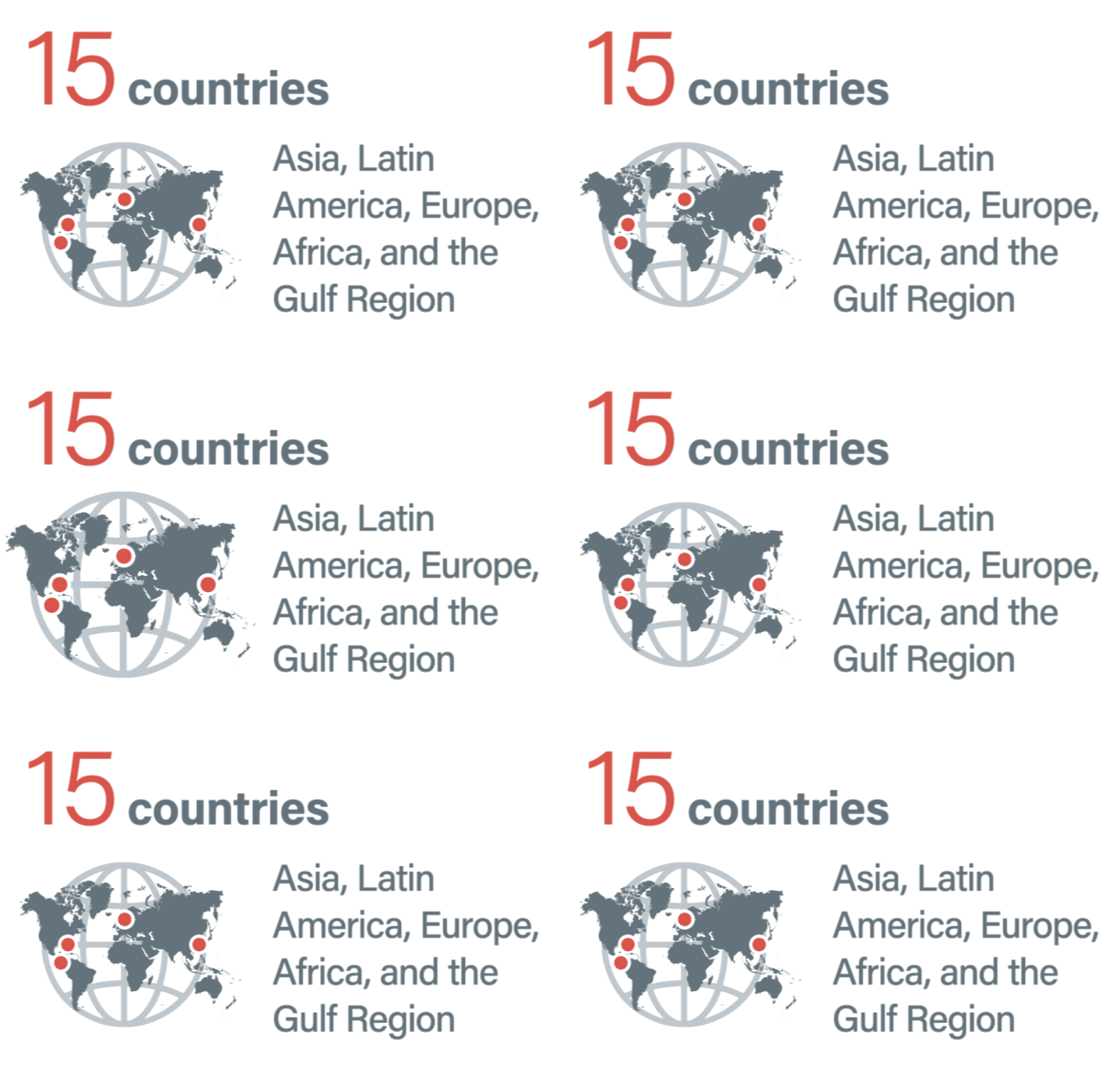
From 2021-2023, Cereals Canada completed 81 programs, webinars, missions, and technical exchanges involving 3089 participants from 69 countries. This is approximately one-third of the countries around the world. In 2022, we almost doubled our country reach.


New Crop Events provide functionality and quality updates about the crop year to key markets. Cereals Canada, along with the Canadian Grain Commission, Grain Farmers of Ontario, wheat commissions, farmers, and the cereals value chain, share information about the quality and consistency of the current years’ wheat crop with domestic and global customers in a series of webinars and in-country sessions. The 2022 New Wheat Crop Report was delivered to customers, farmers, and the value chain through a series of three webinars, in six languages.
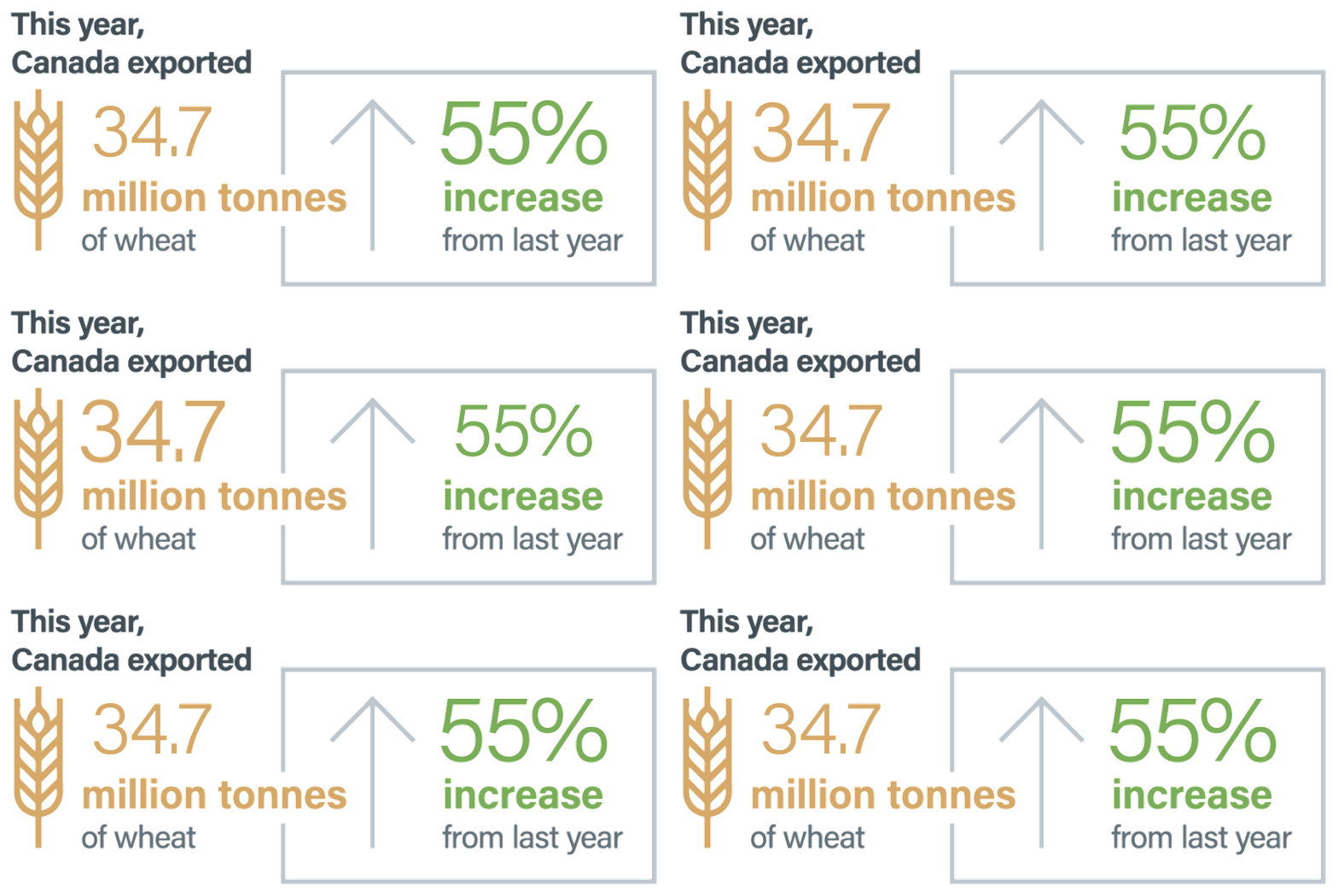
Following the drought conditions experienced in 2021, Canadian growing conditions returned to more normal temperature and precipitation in 2022 and saw 34.7 million tonnes of wheat exported, an increase of 55% from last year.
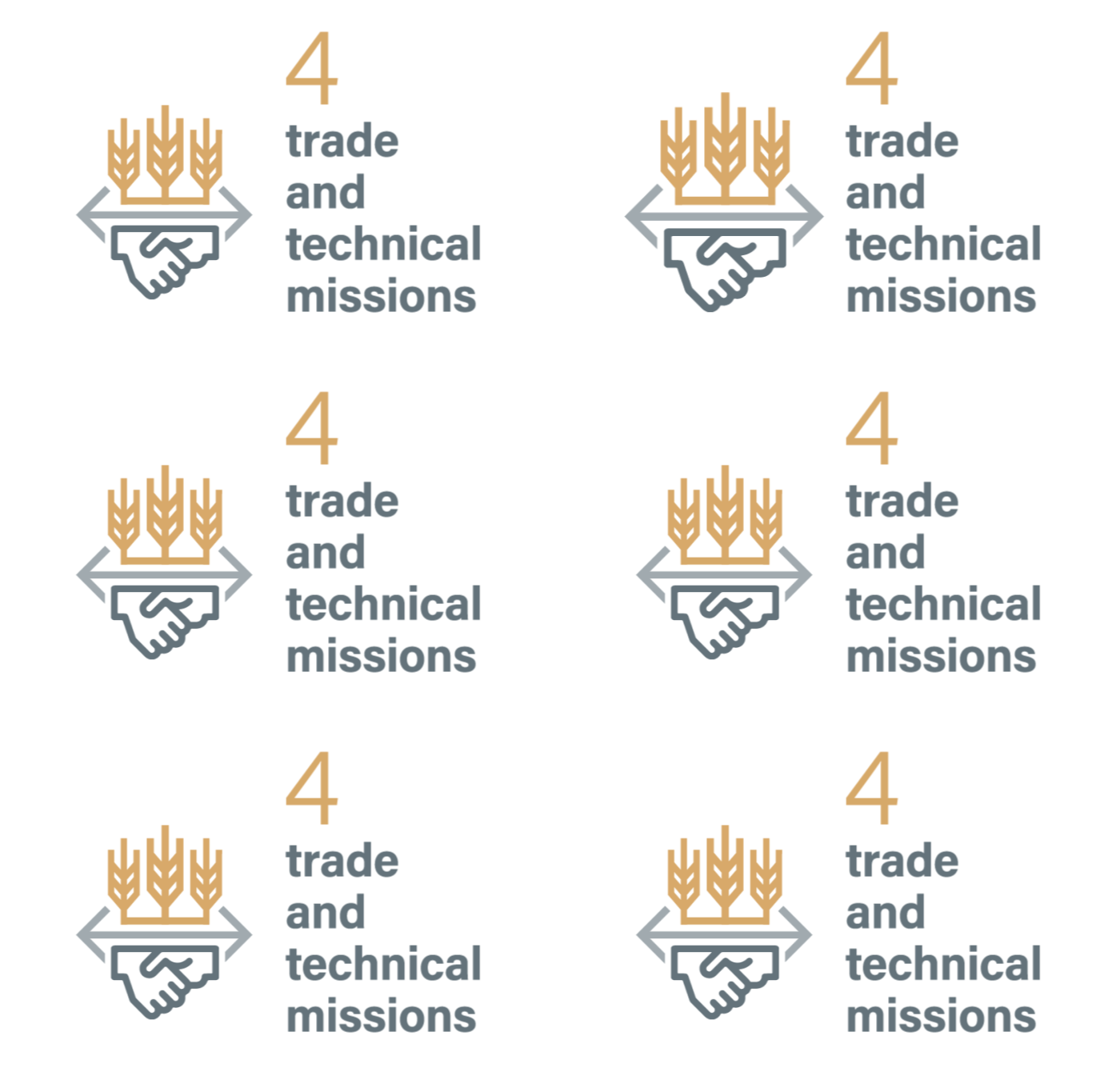
Cereals Canada resumed its annual New Wheat Crop Trade and Technical Missions. In December and January, four delegations made up of Cereals Canada trade and technical experts, representatives from the Canadian Grain Commission (CGC), Grain Farmers of Ontario (GFO), Canadian grain farmers, and exporters traveled to key export nations to present the 2022 New Wheat Crop Report to global customers of Canadian wheat.

In September, a team of technical experts from Cereals Canada traveled to Nairobi Kenya to facilitate a training workshop with millers and mill staff from six African countries. The packed agenda included presentations and hands-on activities in analytical testing, milling, blending, and baking with Canadian wheat, specifically designed to target the unique needs of millers from this key region for Canadian wheat exports.
Canadian wheat exports to sub-Saharan Africa have increased by approximately 500,000 tonnes from 2012 to 2020 driven by population growth in Nigeria, Canada’s largest wheat import market in the region, as well as by economic growth in other markets like Ghana, one of the most urbanized countries in West Africa. Canadian Western Red Spring wheat (CWRS) makes up most of Canadian exports to the region.
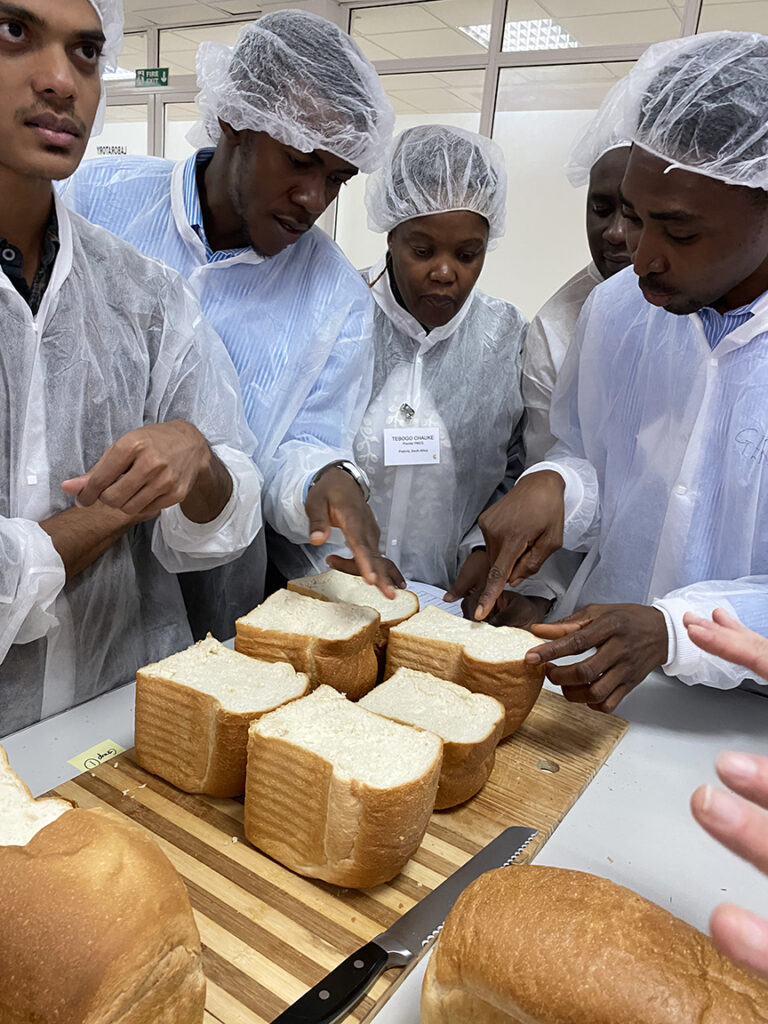
Chinedu Epeuchi, assistant miller,
Crown Flour Mills, Nigeria

The Durum Summit, held in mid-February in Swift Current, was a resounding success, with a sold-out crowd of durum growers in attendance. The highlight of the event was the keynote speech by Jaume Mas, President of Semouliers, the association of E.U. semolina millers. Semouliers represents 180 semolina mills which process about 8.5 million tonnes of durum wheat per year. In his speech, Mas shared his insights into what European millers are looking for in Canadian durum and highlighted the crucial role that Canadian durum plays in the E.U. market.
According to Mas, the E.U. has a structural deficit of about 2 million tonnes per year, and Canada is their preferred customer, with an average of 48,000 metric tonnes of durum exported to Spain alone over the last 5 years. Mas’s speech was a clear indication of the appreciation of quality and demand for Canadian durum in the E.U. market.

“We heard from customers that they are happy with this year’s crop. We had many comments about the large supply, overall quality, and good gluten functionality and, for durum, the high semolina yield, yellowness, and good processibility.”
-Lisa Nemeth, director, Market Support & Training

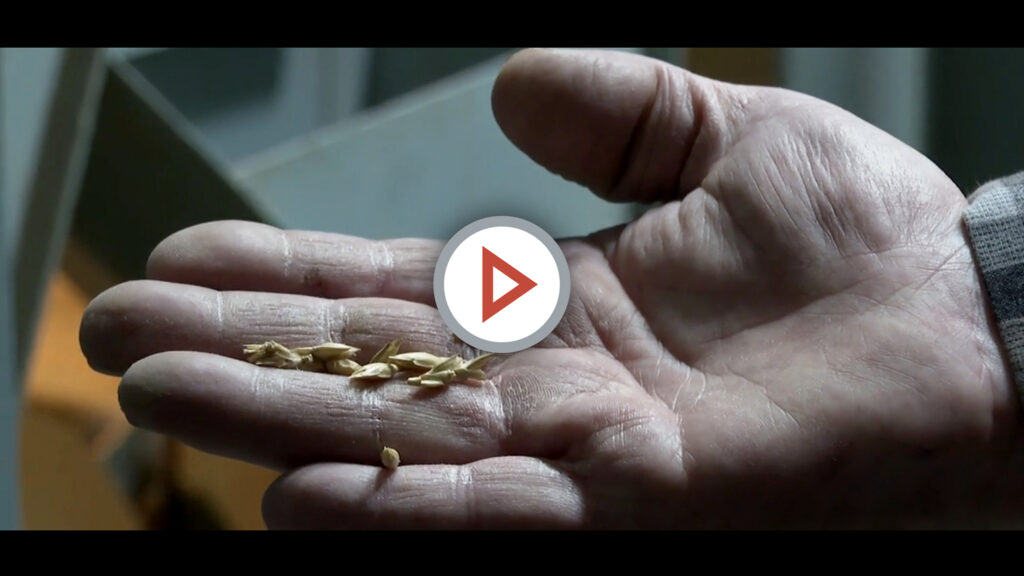

The Habitat-Friendly Winter Wheat Ecolabel helps consumers identify food and drink items made using Western Canadian Winter Wheat and feel confident that the choices they make are having a positive impact on the environment by supporting wildlife habitats.
This past year, Cereals Canada was pleased to welcome Coyote Pancakes and Waffles, a staple of breakfast tables across Canada, into the Ecolabel program. A full media release strategy was executed to announce the new partnership, resulting in dozens of media placements across Western Canada and a feature on Global Lethbridge.

Canada loves wheat. In fact, 93% of Canadians chose to eat wheat-based foods, including bread, bagels, noodles, and pasta, every single week in 2022.
There are a lot of reasons that Canadians eat wheat-based foods. They’re easy to prepare and can be eaten quickly, but data shows that Canadians don’t reach for wheat-based products because of their nutritional properties. If buying decisions are impacted by global fads, misinformation around gluten and agriculture practices, or inaccurate food messaging, it’s cause for concern.
Wheat needs a strong voice to help Canadians and customers around the world understand its value and sift through confusing messaging about wheat and nutrition. The What about Wheat? campaign provides that solution. What About Wheat? works with registered dietitians and food communicators to help share accurate, science-based information about wheat and wheat-based foods.


“Using clear science-based communications, What About Wheat? is empowering Canadians to embrace the many nutritional benefits of wheat.”
Cereals Canada leverages our value chain membership investments, enabling us to continue to provide consistent programming to key markets, supporting the transfer of information to the value chain, market access initiatives, market development and research.


The main funding sources for 2022-23 were our industry partners and the Government of Canada through Agriculture and Agri-Food Canada's Canadian Agricultural Partnership program. Our industry partners are comprised of Canadian farmers who fund Cereals Canada through their respective provincial wheat commission check-offs and the industry, represented by Grain Exporters, Life Science Companies, and Processors. The two pillars—producer and industry—are equal funders and share equal governance responsibilities for the organization. In the 2022-23 fiscal period for Cereals Canada, the total revenue was $8.5 million. The three top revenue sources were $5.5 million in funding from producer and industry partners, $1.9 million from AAFC for market development and applied research activities, and $0.7 million in funding from consulting and technical services.


In the 2022-23 fiscal period for Cereals Canada, the total expenditures were $7.7 million. The three top expenditures were $5.4 million in market development activities, $1.5 million for operating and administrative expenses, and $0.5 million for consulting and technical services.


Members of the Cereals Canada board of directors equally
represent farm organizations and industry.

















Back row (L to R): Kasia McMillin, Lee Huscroft, Lindsay Bourré, Brando Remonte, Shona Fraser, Rosa Boyd, Karen Pitura, Kristina Pizzi, Rebecca Hadfield
Middle: Norbert Cabral, Ellen Pruden, Kristin Choo, Mariam Adigun, Jennifer Nguyen, Amanda MacDonald, Lindsey Boyd, Robyn Makowski, Natalie Middlestead, Charity McDonald, Gina Young, Chloé Wolstencroft
Front: Leif Carlson, Krista Zuzak, Marcello DiMarco, Dean Dias, Elaine Sopiwnyk, Mark Walker, Lisa Nemeth
Missing: Anna Mora, Matilda van Aggelen
Cereals Canada is the national, not-for-profit organization that facilitates collaboration between partners across all sectors of the cereals value chain, with a focus on wheat, barley and oats. Our membership encompasses leading farm organizations, grain handling, export and processing companies, as well as crop development and seed companies.